

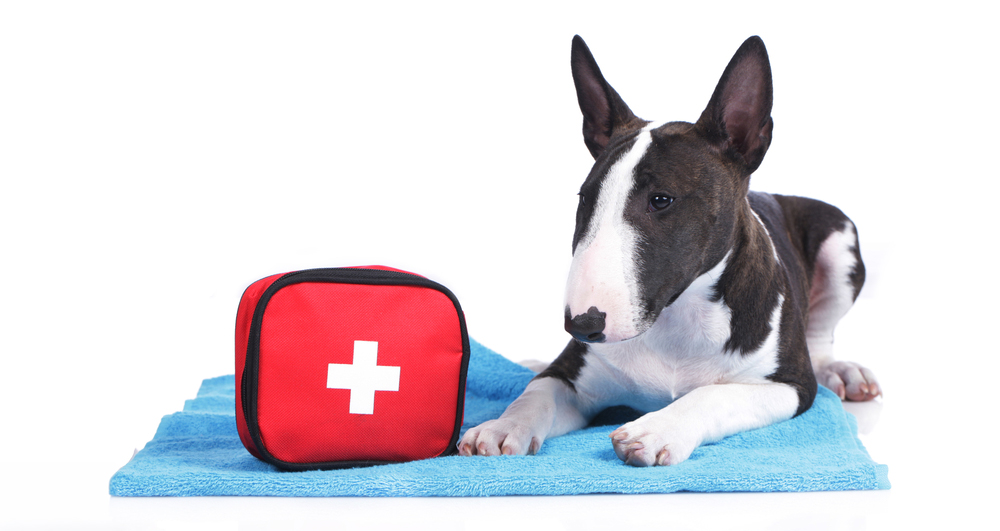
April is National Pet Month, an annual celebration dedicated to promoting responsible pet ownership and highlighting the joys our pets bring to our lives. As we welcome warmer weather and longer days, it’s time to clear out the winter essentials and restock your pet first aid kit for spring and summer.
Having the right supplies on hand isn’t just about being organised, it’s about preventing minor issues from becoming major problems. This blog will guide you through the key items your pet first aid kit needs for the next few months, detailing the role of each and helping you provide the best possible care for your pet.
Why warmer weather requires a different approach
There are distinct challenges in spring and summer that aren’t as prevalent in winter. Warmer temperatures welcome parasites like fleas, ticks and mites with open arms. Longer days mean more outdoor adventures and higher risk of injuries, insect bites and heat-related issues. Pollen levels rise significantly during spring, potentially triggering allergies in sensitive pets, whilst the summer heat can also lead to sunburn, dehydration and heatstroke. Pets with pre-existing skin conditions often experience flare-ups during these months, and a well-equipped first aid kit helps you respond quickly and effectively when your pet looks to you for help.
Kit contents and their roles
Antiseptic solution and wound cleaning
Spending more time outdoors increases the chances of minor injuries, whether it be a cut from sharp brambles, a graze from rough terrain or a scrape from outdoor play. Having proper antiseptic supplies on guard helps clean wounds before they become infected.
Part of our antiseptic offering is an Antiseptic Wound Spray for dogs, which promotes the rapid recovery of cuts, scrapes and minor skin irritations via a gentle, hypochlorous spray formula.
Tick removal tool
Ticks are most active from spring through autumn, which means there is a big focus on tick prevention during this time. These parasites lurk in long grass, woodland and overgrown areas where pets often explore, and can transmit serious diseases including Lyme disease if not removed promptly from your pet’s skin.
Using a specialised tick removal tool prevents accidentally squeezing the tick’s body back into your pet’s bloodstream, which contains potentially harmful bacteria. Ticks should be properly removed as soon as they are spotted – the longer they remain attached, the higher the risk of disease transmission. We have a detailed guide on tick removal and prevention, and also what they look like on different animals.
Skin balm
Pollen, grass seeds and various plants can all cause discomfort in sensitive pets, which often display as allergic reactions and skin irritations. Bee stings, wasp stings and other insect bites are also more common this time of year.
Johnson’s Soothing Skin Balm provides natural relief for irritated skin, helping to calm insect bites and maintain healthy skin condition. The balm’s anti-bacterial properties make it suitable for dogs, cats and small animals over 12 weeks old, offering gentle care for your pet. Keeping a pot easily accessible during outdoor adventures will speed up the application.
Paw and nose balm
While we often associate paw care with winter, summer presents its own challenges. Hot pavements and tarmac can burn delicate paw pads, whilst summer air and increased sun exposure can lead to cracked and dry noses. Grass seeds can also work their way between paw pads, causing your pet some discomfort when they walk.
Johnson’s Paw & Nose Balm provides a protective barrier that soothes and moisturises damaged skin whilst helping prevent further cracking. Apply it after walks on hot days for immediate soothing, and check paws regularly for embedded debris. For dogs who spend lots of time on walking on hot surfaces, try and space out their walks so they are going when temperatures are cooler, like early morning or evening. We also offer an Antiseptic Balm, ideal for soothing small grazes or minor wounds.
Eye care
The risk of eye irritation from pollen, dust, grass seeds and other airborne debris are more prominent in summer. Swimming in outdoor water can also introduce bacteria or irritants into your pet’s eyes, causing redness, discharge or discomfort.
This is where eye care is important, and our Clean ‘n’ Safe Eye & Ear Wipes are gentle, hygienic and PH balanced wipes that help remove dirt and debris from around the eyes and ears safely. They can also be used for a gentle clean from top to tail. The small packet is ideal to throw in your bag or pocket for on the go cleaning. If your pet’s eyes appear severely inflamed, if discharge persists, or if you suspect a grass seed or foreign object is lodged in the eye, consult your vet immediately.
Cooling supplies
Overheating and heatstroke is a serious and potentially fatal condition that can develop rapidly in warm weather, particularly in brachycephalic (flat-faced) breeds, elderly pets, and those with thick coats.
We recommend keeping cooling mats in your kit for emergency cooling if your pet shows signs of overheating. A portable water bowl and fresh water is one of the most important cooling supplies, preventing dehydration especially during long walks.
Although it may be obvious, we want to reinforce that you should never leave your pet in a hot car, even if you are only popping out briefly and the windows are cracked. Temperatures inside vehicles can become lethal within minutes, causing your dog to suffer. If you see a dog in a hot car showing signs of distress (panting, drooling, lethargic), call 999 and stay with the pet until help arrives. A distressed dog in a hot car can be life-or-death situation, and the police have authority to enter the vehicle.
Insect bite relief
Biting insects are inevitable additions to summer outdoor fun, and the same goes for bee and wasp stings. If you think your pet has been sting or bitten apply a cold compress to reduce swelling and monitor your pet closely for signs of an allergic reaction. Whilst most insect bites or stings only cause minor irritation, some pets can have allergic reactions that require immediate attention.
In this case, having antihistamine information in your kit helps. We recommend speaking to your vet about appropriate dosages for your pet’s size and weight, so you are prepared if an emergency were to occur.
Depending on your pet we also have a range of calming products suitable for bites and stings, including Tea Tree Skin Cream for small animals, Tea Tree Skin Cream for cats and dogs and the Tea Tree Calm Spray for dogs.
Emergency contact information
This is a step that is vital all year-round, and it remains crucial during active outdoor months. Keeping a waterproof card with essential contact numbers in your kit, such as your vet, the nearest emergency vet clinic, and the Animal Poison Line (01202 509000), will speed up your response if an incident were to occur. Having these numbers immediately accessible can make all the difference in an emergency.
How to use your kit effectively
Owning a first aid kit is a start, but you need to understand how to use the products for it to serve its purpose.Taking time to familiarise yourself with each item before an emergency happens will improve your response and utilisation of supplies. Practice the basics like checking your pet’s temperature, applying paw balm evenly, and cleaning minor wounds so that when a real situation arises, your reaction is quick and confident. The middle of a crisis is not the time to be reading instructions for the first time.
It’s important to review the contents monthly so everything remains in working order – replacing items that are empty, checking the expiry date on all medications and solutions, and making sure nothing has deteriorated. Heat can affect certain products, potentially reducing their effectiveness or causing packaging to degrade. Appropriate storage in a cool, dry place ensures the contents remain effective, and safe to use on pets.
First aid kits are designed to manage minor issues until professional veterinary care can be accessed. Your kit will help you handle small emergencies and provide immediate relief, but it’s not a replacement for proper veterinary treatment. For serious injuries, signs of heatstroke, suspected poisoning or any emergency you’re unsure about, contact your vet immediately.
Staying prepared year-round
While the focus is on summer-specific items, many first aid items are a constant throughout the year. Johnson’s range of pet healthcare products has everything from wound care to parasite treatments, ensuring you’re equipped for any situation.
For more seasonal pet care advice, check out our general pet health resources and pet care tips and advice. A well-prepared pet owner is a confident pet owner, and summer doesn’t have to spell panic when you’ve got the appropriate supplies nearby.
With your kit refreshed and ready to go, you and your pet can enjoy everything the season has to offer, knowing you’re prepared for whatever comes your way.