

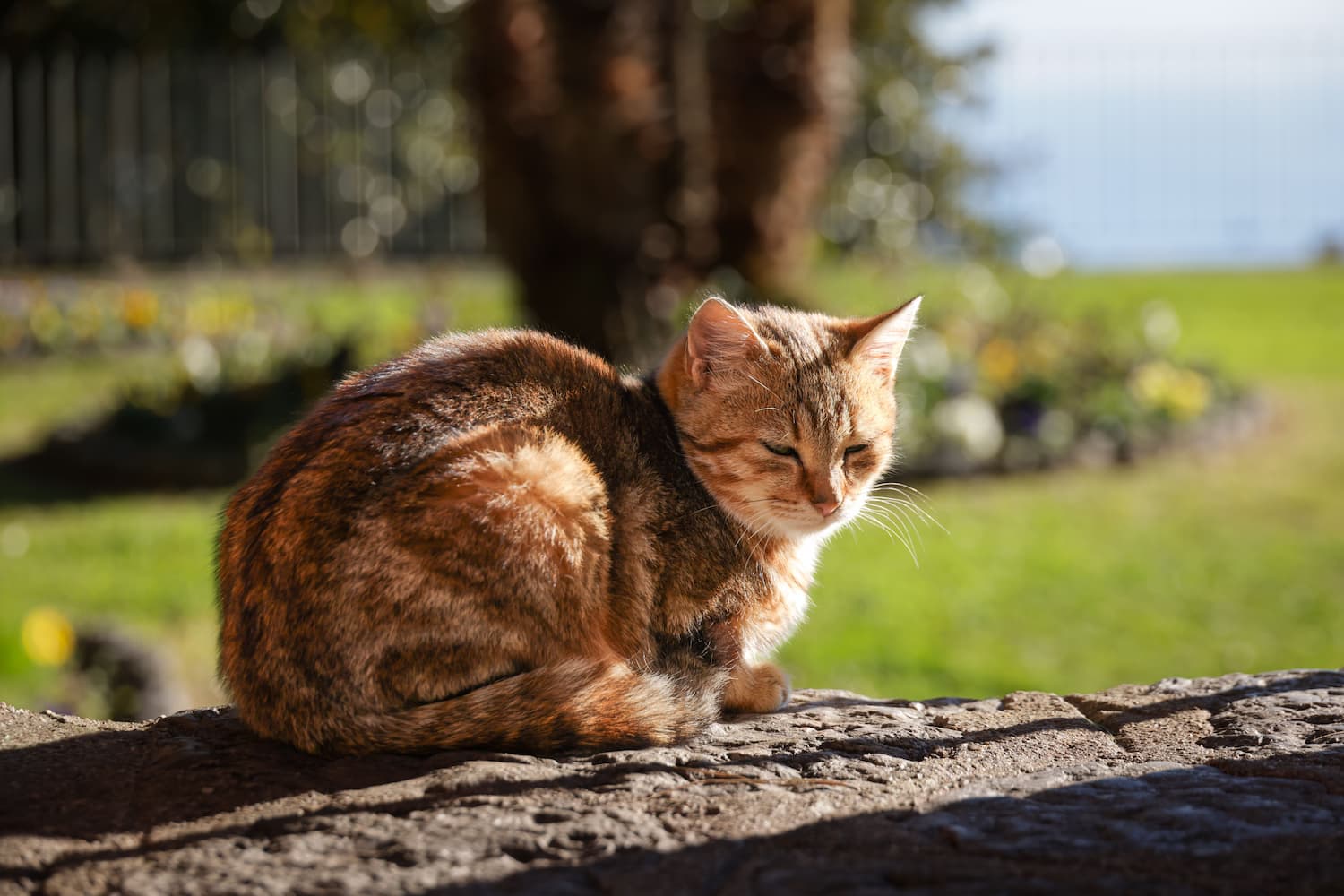
With temperatures climbing again this week, pet owners should stay alert to how the warmer weather can impact their feline companions. While cats are generally quite good at regulating their own body temperature, either by seeking out shade or a cool spot to nap, there is more you could be doing to improve their safety, comfort and hydration in the heat.
This blog runs through the key risks cats face in summer, practical ways to help them stay cool, and the products that can support their wellbeing throughout the seasonal change.
Staying hydrated
Cats need access to fresh water whatever the weather, but this becomes more important in hot conditions. Encouraging them on to drink regularly is one of the simplest ways to keep them safe as temperatures rise. Some cats can be surprisingly fussy about how they take their water, so try experimenting with a few different approaches if your cat isn’t drinking as much as you’d like.
Moving their water bowl away from food and litter areas can encourage more drinking, with many cats preferring to drink away from where they eat or go to the toilet. It’s also worth testing different bowl materials and sizes, as some will have a preference for ceramic or metal bowls over plastic. Some even prefer wider bowls filled to the top so their whiskers don’t touch the sides.
Whilst you are working to keep them hydrated, it’s worth thinking about the opposite end of the spectrum and familiarising yourself with the symptoms of dehydration. Sticky or tacky gums can be an early warning sign. Gently pinching your cat’s skin is another way to check, as the skin should spring back into place immediately in a well- hydrated pet. If you’re ever concerned, contact your vet straight away.
Introducing shade in your home
Being notoriously independent, cats will likely seek out shade during hot weather of their own accord. You can help by providing the shaded areas, so they are more frequent throughout the home and garden.
Think about how you could make use of the trees, shrubs or sun sails in your garden to increase the number of cool areas. Indoors, keeping curtains closed during the hottest parts of the day and using a fan can help create a cooler space for your cat to relax in.
Purchasing a few cooling mats can work well – or recreating something to that effect. Some cat owners wrap ice packs or freezer blocks in a towel and place them in their cat’s favourite resting spot. Others use a damp towel to dab over their cat’s fur, or stroke them with wet hands, to offer a cool relief on particularly warm days. If you are going to introduce water, make sure it is only small amounts. Most cats don’t like water, and placing them in a cold bath could cause fear and more discomfort.
It’s best to encourage your cat to stay indoors when the sun is at its warmest – saving outdoor exploration for the cooler periods instead.
Sun safety and grooming
Just like us, cats can suffer from sunburn. Those with white or thinner fur are at greater risk, and being out in strong sun can increase the chance of skin cancer over time. Ears and noses are the areas most likely to burn, so keep a close eye on these and limit prolonged time in direct sunlight.
Johnson’s Paw & Nose Balm can help soothe dry noses, providing a protective, moisturising barrier for sensitive skin. But it shouldn’t be mistaken for sun protection. If you’re considering sun cream, make sure the product is specifically formulated for pets. You should check it’s safe with your vet first, as ingredients like zinc oxide and salicylates can be toxic to cats and should be avoided.
Regular grooming also plays a role in keeping cats comfortable during summer. Brushing away loose or excess hair helps alleviate your cat from a dense coat, which is much better for staying cool. You may also notice your cat grooming themselves more than usual in hot weather. This is nothing to worry about, in fact it’s a good thing, as the evaporation of saliva from their fur naturally cools them down.
Parasite protection requires deeper attention
Fleas and ticks are present all year round, but they tend to be more problematic in summer. As these parasites become more active in warm and humid conditions, consistent, year-round protection feels increasingly important during these months.
4Fleas Tablets for Cats & Kittens start killing fleas in just 15 minutes and can be used with other topical flea treatments. If your cat explores areas with longer grass or woodlands, it’s worth checking them over with a tick removal tool before letting them back in the house. Our guide on tick removal and prevention explains how to spot and remove ticks safely. If left untreated, infestations can cause real discomfort and, in some cases, serious health complications.
Treating your home for parasites goes hand in hand with treating your pet. Our Guardian Home Flea Spray controls fleas for up to 6 months and other crawling pests for up to 8 weeks on surfaces which insects walk or land on.
Watch out for hidden dangers
Cats are curious by nature, and this often lands them in some awkward situations. Sheds, greenhouses and summerhouses are common places for cats to sneak into, but the temperature inside can creep dangerously high if a cat gets trapped inside. Always double-check these spaces before locking up for the day.
It should go without saying, but pets should never be left in hot cars, conservatories, outbuildings or caravans, even briefly, as temperatures in these environments can rise to 47°C and prove fatal. While this is often associated with dogs, cats can be just as vulnerable if left in a hot vehicle.
If you have an indoor cat or you like to keep windows open for ventilation, make sure there is someone in the house monitoring them. Curious cats have been known to escape through open windows while seeking a cool breeze.
Recognising the signs of heatstroke
Heatstroke can be fatal. It’s a particular risk for cats that are older, overweight or a flat faced breed. It displays itself in a few ways, but the key signs to look out for are collapsing, excessive panting, dribbling, vomiting and diarrhoea.
If you suspect your cat is suffering from heatstroke, contact your vet immediately while gently cooling them down. Move them to a cool or shaded area and wet their coat with cool, but not freezing, water. Acting quickly makes all the difference in bringing their body temperature down, but it needs to be gradual, so it doesn’t shock them.
Extra care goes a long way
Summer can be one of the most enjoyable times of year for cats and their owners alike, offering longer days and plenty of opportunity for outdoor exploration and lazy afternoons in the sun. But as temperatures continue to rise this week and beyond, extra vigilance can seriously improve your cat’s comfort and safety.
Most of the precautions listed are ones that can be built into your daily routine, without requiring much additional time. When you have the right preparations, summer doesn’t have to mean added worry for cat owners. By staying alert to the signs of overheating and having the right cooling methods in place, you can help ensure your cat enjoys every sunny day safely and comfortably.
For more seasonal advice, Ask Lisa – our ex-Veterinary Nurse who is an EA-SQP and qualified to answer any queries you may have.