

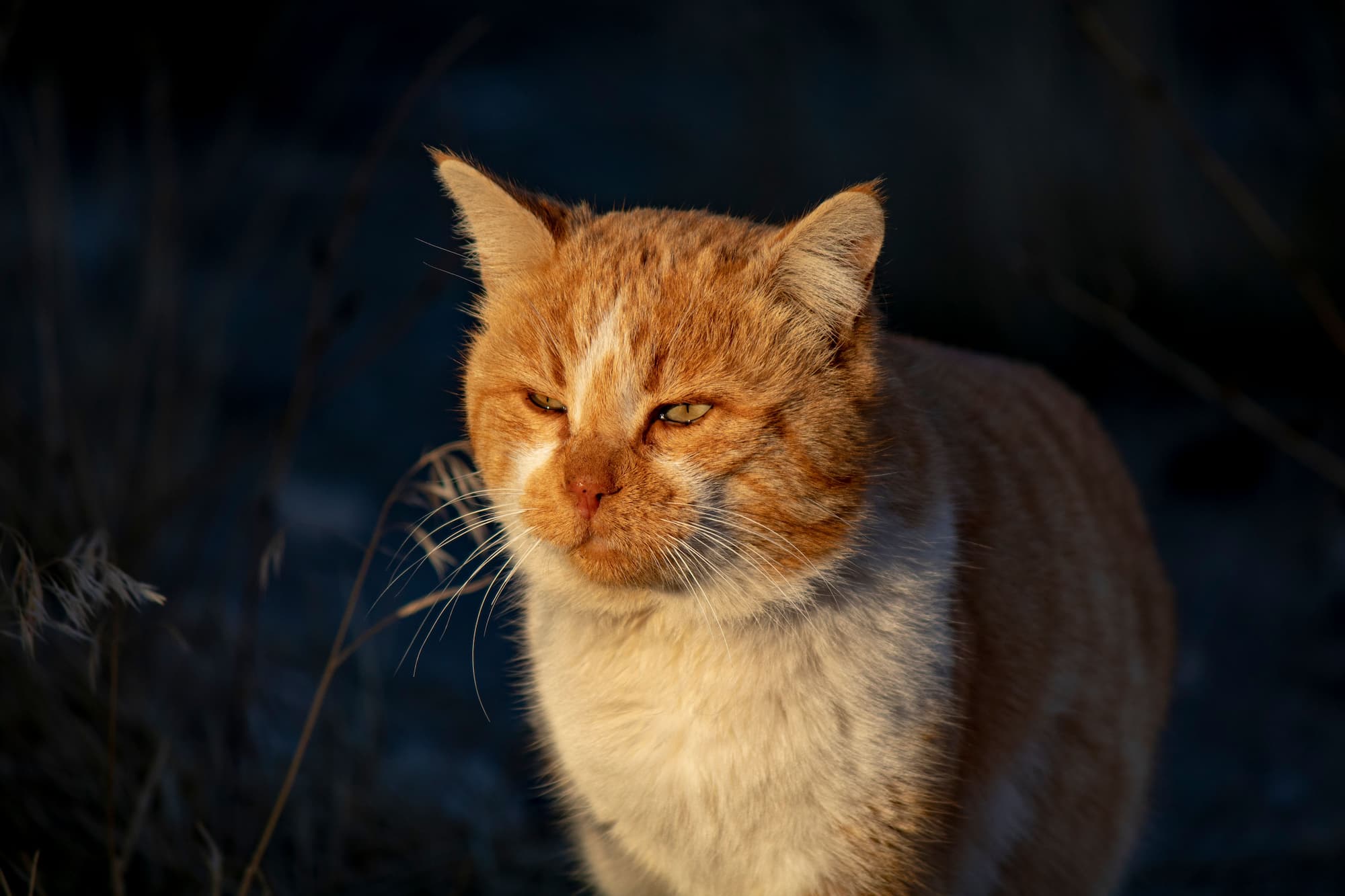
November is National Senior Pet Month, or Adopt a Senior Pet Month, which makes now a fitting time to look at the wellbeing of our older cats and the care we can offer them.
To be considered ‘senior’, a cat needs to be 11 years old or older. With the right support, many go on to enjoy a comfortable and fulfilling later life, long past the age of 11.
However, cats can also hide discomfort well. For us owners, that means the early signs of ageing can be easy to miss, even when we know they are growing older each year.
This blog looks at the main changes to watch out for in senior cats and the ways you can support them, through healthcare products as well as lifestyle adjustments.
What are the classic signs of ageing?
Ageing is a process that arrives quietly and one that becomes progressively more obvious. A cat who once leapt onto the windowsill in one jump may start to hesitate first, or choose a lower perch to watch from. Whilst this is likely down to age, we shouldn’t rule out other causes – such as stiff or sore joints.
Studies suggest that up to 90% of cats over the age of 12 show radiographic evidence of osteoarthritis or degenerative joint disease. And because we know cats tend to rest through discomfort rather than openly crying or limping, it’s not always easy to spot.
Other behavioural or visual changes to look out for are:
- Changes in how thoroughly they groom, which can leave the coat greasy or matted.
- Changes in appetite.
- Changes in how much they drink.
- Changes in movement.
Sometimes, what seems like a minor difference can represent something far more serious, as kidney disease and an overactive thyroid become more common with old age.
Supporting joint mobility
Joint care is one of the most crucial things to pay attention to in older cats, and it helps to take action before stiffness sets in. Johnson’s 4Joints Granules for Cats is a complementary feed designed to support mobility and help maintain healthy joints and cartilage. Its ingredients include glucosamine, which supports joint health, and hyaluronic acid, which helps cushion and lubricate the joints.
The granules are wheat and soya free, and one 2g measure a day can be mixed into your cat’s normal food. One pack lasts around 45 days, and because the granules are suitable for cats of any age, they can be introduced early and continued as your cat grows older. They are an ideal option for cats who refuse or struggle to take tablets.

Skin and coat
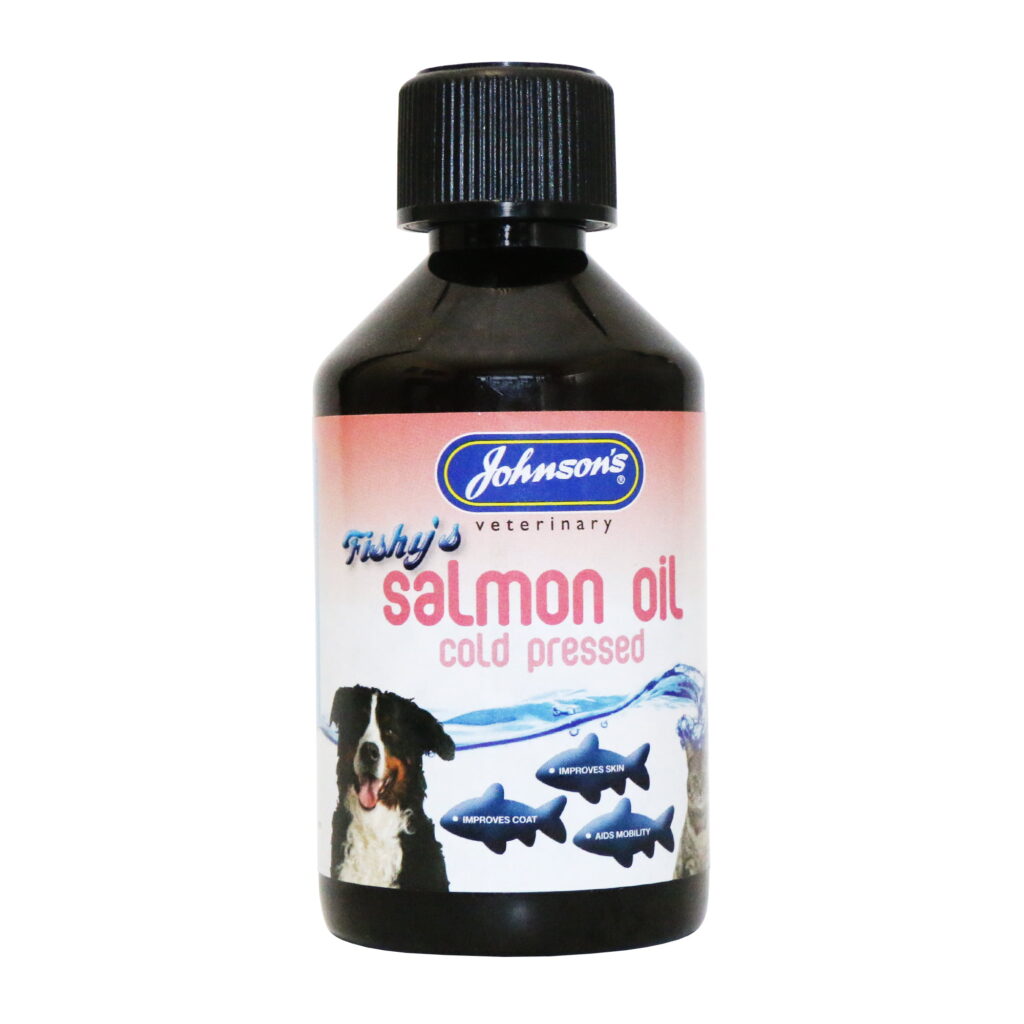
An older cat’s coat can lose some of its shine, and the skin can become drier. Fortunately, there are supplements that can be introduced to their diet to help address this. Our Fishy’s Salmon Oil is a cold-pressed, food-grade oil made from North Atlantic salmon, rich in omega-3 and omega-6 fatty acids. It helps promote healthy skin and a glossy coat, and also aids joint mobility. It’s designed to be added to their food, and the product packaging offers a guide on how much to use depending on the size and condition of your pet.
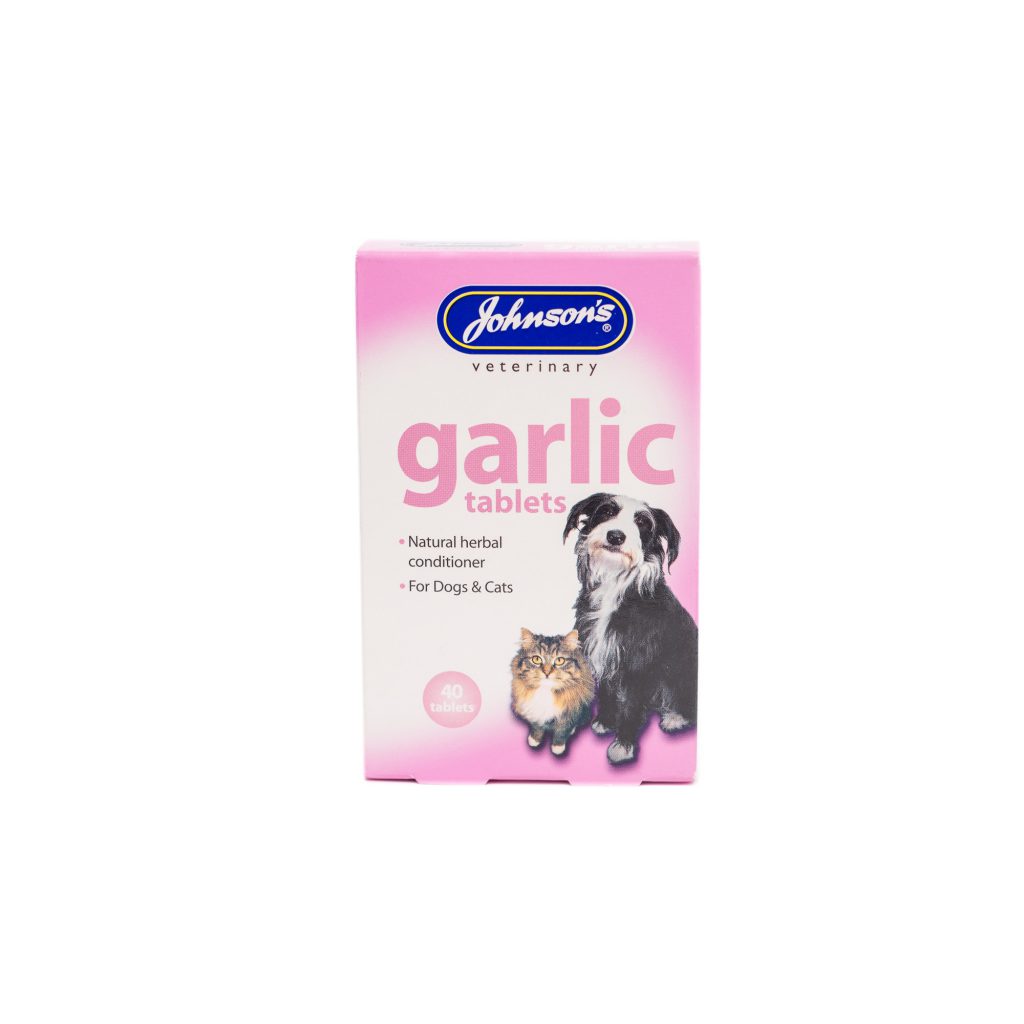
Johnson’s Garlic Tablets are a natural herbal conditioner and internal cleanser for dogs and cats, and can form part of a general wellbeing routine for older pets. As with any supplement, follow the instructions on the pack, as the right choice depends on your cat’s individual health.
Making movements around the home easier
Small changes around the home can make daily life more comfortable for a stiff or slower cat, such as:
- Using a litter tray with a low entry, as it makes it easier to climb in and out.
- Placing a pet step or sturdy box beside the sofa to save a difficult jump.
- Keeping food, water and a bed on the same level so your cat doesn’t have to tackle the stairs for the basics.
- Moving their bed away from draughts, as older cats tend to feel the cold more.
- Gently brushing their coat so it’s free of mats. This gives you the chance to check for any abnormalities on the skin.
Keeping the mind active
Despite cats getting older, they still like to play – just at a gentler pace. Short sessions with their favourite toy or a food puzzle keep them engaged, and a consistent routine helps cats who are becoming less confident with change as they age.
Adopting a senior cat
Senior Pet Month is a reminder that there are older cats waiting for homes. Rescues have reported that adult and senior cats are overlooked in favour of kittens, even though they are well suited to many households.
An older cat’s personality has already settled, so what you meet at the rescue centre is usually a good indication of what you will get at home. Many are calmer and happy with a quiet routine, which suits owners who want a relaxed companion. Rescue staff can usually provide information on a cat’s history and any health conditions, so you can decide before taking them home whether you are able to meet their needs.
A newly adopted senior pet needs time to adjust to the new space. Set up a quiet room with the essentials and let them explore at their own pace.
Continue when the month is over
Although Senior Pet Month is a useful prompt, looking after an older cat doesn’t end when November does. Keep watching how they move and behave, and adjust things at home as their needs change. A little attention all year round helps older cats live a comfortable and enriching life, for longer.


