


For many Brits, the central heating has been switched back on to warm up their homes. But rebooting the heating system can awaken some uninvited guests who, just like us, are settling into a cosier routine at home.
Bed bugs have been making the news again this autumn. Earlier in September, they were found in the driver cabs of two Southeastern trains, and a number of services were cancelled whilst the trains were being cleaned.
Although none were reportedly found in the passenger areas, cases of bed bugs are rising by around 20% a year in London and other big European cities. Roughly 5,000 callouts were recorded across the UK over the past year, with London accounting for 13 of the 15 worst-affected areas and Islington topping the list.
Why are bed bugs on the rise?
Experts suggest it’s because of travel, and bed bugs becoming more resistant to insecticides. Public transport, hotels and other shared buildings give them plenty of opportunity to move from place to place and continue to spread.
Despite what was believed historically, bed bugs don’t need a dirty home to make themselves comfortable. They can hitch a ride in luggage, backpacks, coats and second-hand furniture. Anyone could bring them into the home without realising, even your pet.
Bed bugs can lie dormant
In the home, bed bugs can live all year round and are drawn to warmth. An area like a cosy bedroom suits their needs and provides ideal conditions for a long-term stay. They can survive months without feeding, and homes often conceal the problem far longer than people might expect.
Other household parasites, such as fleas, behave in a similar way. Bayer Pest Solutions explained to the British Pest Control Association (BPCA) that turning on the central heating can trigger flea eggs lying dormant around the house to hatch. A home that seemed pest-free can quickly become an infested area once the radiators are on.
Whether it’s fleas or bed bugs, the key is to act fast. The sooner the problem is spotted, the easier it is to manage
How can I tell if there is a problem?
Bed bugs hide in crevices during the day and come out at night to feed. Itchy bites on skin that is exposed in bed, often in lines of three or four, can indicate you have company. But it’s not enough on its own; you need to look for other evidence.
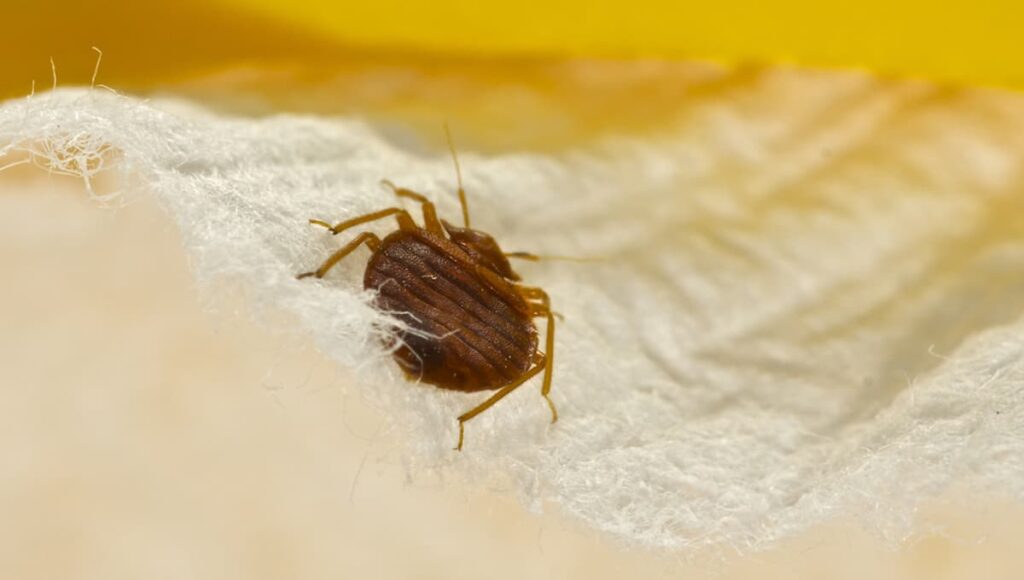
Check mattress seams and bed frames for small dark specks that resemble pepper, and for shed skins. If you spot a live bug, it will be a small, reddish-brown insect without wings, about the size and shape of an apple seed.
For pet owners, fleas are slightly easier to catch in the act, mainly because of your pet’s behaviour. If they are scratching more than usual, part their coat and look for small dark specks of flea dirt. It’s important to not just assess your pet, but also areas in the home where they frequently visit, such as pet bedding and carpets.
What to do if you find bed bugs
Wash any bedding, throws, blankets, cushion covers and pet bedding at 60 degrees celsius, or higher where the fabric allows, then tumble dry on a hot setting for 30 minutes. Items that cannot be washed can go in a bag in the freezer for three to four days.
Go around the house with a vacuum, focusing on the edges of rooms and the space beneath furniture. Make sure to empty the vacuum into a bin outside straight away.
If you’re coming back from your travels, check your luggage before bringing it into the home. The same goes for second-hand furniture – give it a thorough look over before setting it up in your home.
Bed bugs can be stubborn, but there are over-the-counter treatments out there that can help:
Johnson’s Guardian Home Flea Spray is a water-based trigger spray that kills fleas and other flying and crawling insects, including bed bugs and cockroaches. It controls fleas for up to six months and other crawling pests for up to eight weeks. It can be applied to cracks and crevices or sprayed directly onto soft furnishings and other surfaces where insects walk or land. The spray bottle is a good alternative to aerosols.
For a whole-room treatment against fleas and other household insects, the 4Fleas Dual Action Room Fogger uses an insect growth regulator alongside insecticides to kill fleas, ants and cockroaches, and to stop flea eggs developing into adults. Place the can in the room, press the button and leave it to work its magic. Treated areas stay protected for up to seven months after treatment.
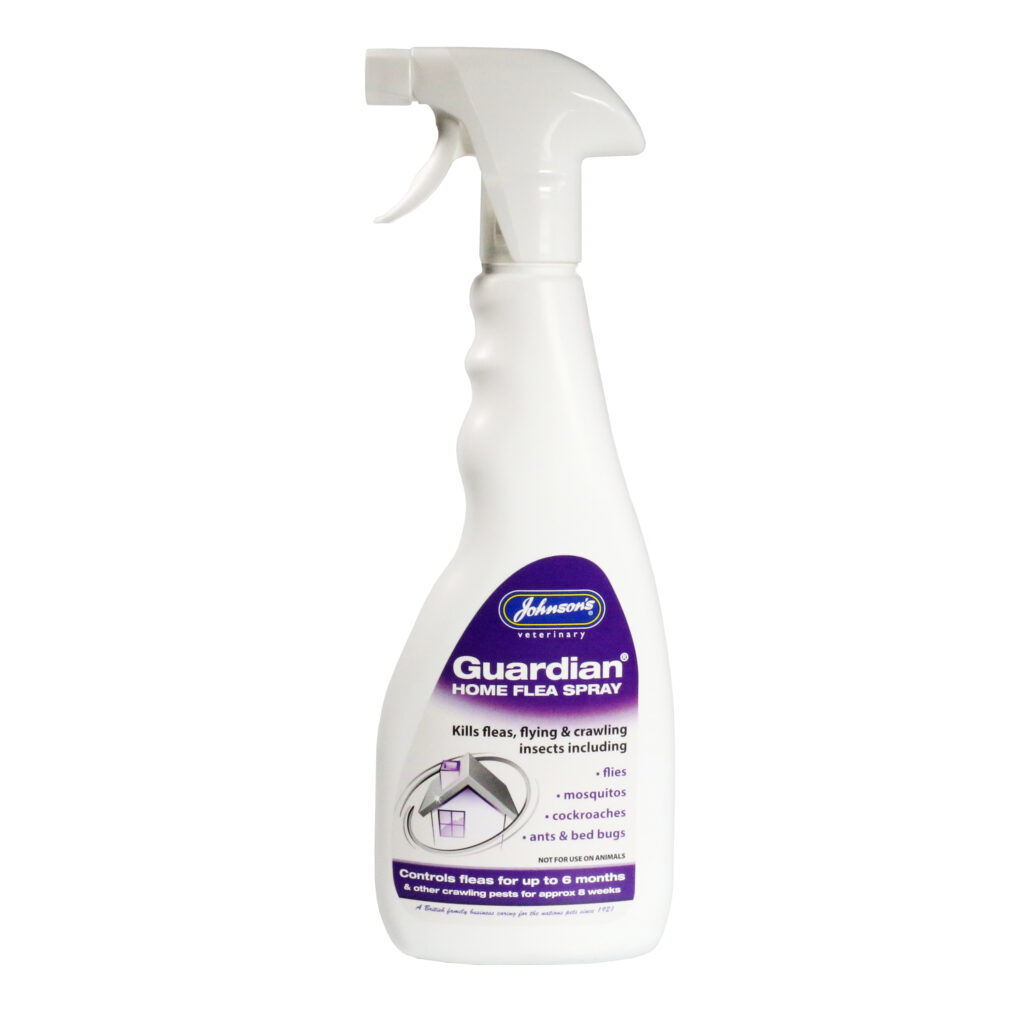

Both products are for household use only and are not for use on animals, so keep pets and humans out of the room whilst treating and follow the instructions on the label before letting them back in.
If fleas are also a concern, treat your pets with a suitable treatment at the same time as the home. Johnson’s 4fleas tablets start killing fleas in just 15 minutes on your pet and can be used with other topical treatments. Treating only the home will not stop pets bringing fleas back in, and treating only the pet leaves eggs behind in the house. You have to do both to address the whole problem.
Stay vigilant
The heating is bound to be in use for the next few months, so quick bedding and pet checks now could save a bigger problem from developing later on. This isn’t just a winter precaution either. Household parasites can show up unexpectedly throughout the year, so summer and spring checks are equally important.
Johnson’s Guardian Home Flea Spray and 4Fleas Dual Action Room Fogger are available from Johnson’s stockists across the UK. You can find your nearest retailer here.